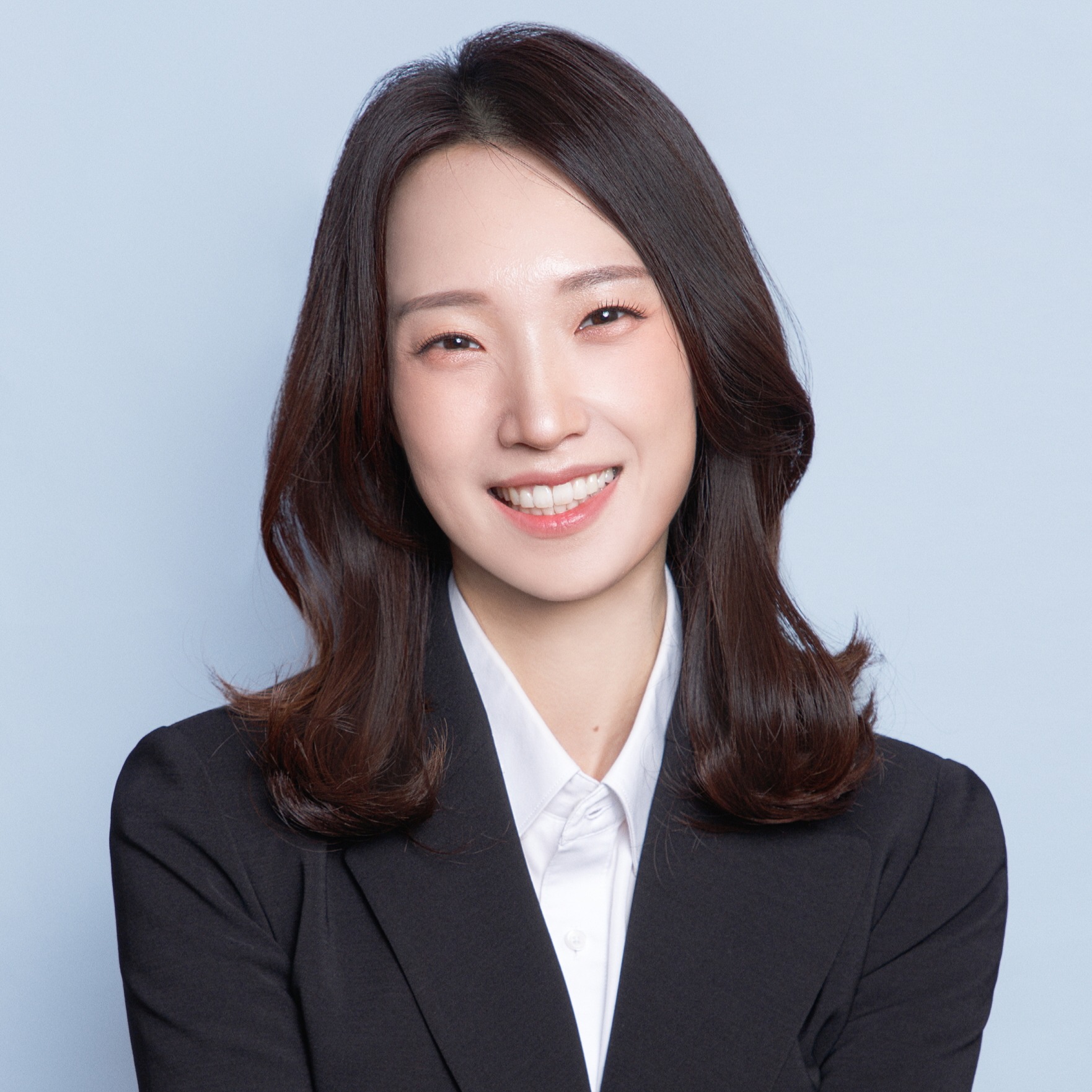
Dr. Won Jung Ju
Research Fellow
Seoul National University
Dr. Won Jung Ju is currently a Research Fellow in the Department of Energy Resources Engineering at Seoul National University. Her research focuses on redox-mediated electrochemical leaching of lithium from spent lithium-ion batteries using deep eutectic solvents (DES), aiming to minimize carbon footprint and environmental impact. She earned her Ph.D. in 2025 from the Department of Civil and Environmental Engineering at Seoul National University, where she specialized in the design of a fuel cell–driven system for electricity generation and metal leaching from sulfidic mine tailings. In addition, Dr. Ju has extensive expertise in human health risk assessment, heavy metal adsorption on microplastics, and metal extraction from soils, supported by strong analytical and instrumental skills. She is also contributing to the development of ISO standard methods under the scope of ISO/TC 190 (Soil Quality).
Design of a fuel cell-driven system for electricity generation and metal leaching from sulfidic mine tailings
This study proposes a fuel cell–based electrochemical leaching system that simultaneously enables metal extraction and electricity generation by utilizing sulfide minerals contained in mine tailings as a fuel source. The system is designed to physically separate the oxidation of sulfide minerals and the reduction of oxygen through electrode installation, allowing electrons released during oxidation to flow through an external circuit. This electrochemical separation minimizes the formation of passive films by preventing electron accumulation and localized reduction on mineral surfaces, thus enabling continuous sulfide dissolution and stable power generation. Performance evaluation of a pyrite-fueled cell under varying pH, temperature, dissolved oxygen concentration, and the presence of Acidithiobacillus ferrooxidans identified optimal oxidation conditions and demonstrated higher iron leaching efficiency compared to conventional biological or chemical oxidation. In a multi-anode fuel cell using molybdenite as fuel, the sustained supply of electrolyte and microbial catalysis enabled long-term metal leaching and electricity generation, while multi-anode configuration enhanced contact between the solid fuel and electrodes, improving power output. Furthermore, experiments using Pb/Zn tailings confirmed simultaneous metal leaching and power generation. Overall, this research demonstrates that the chemical energy stored in sulfide minerals within tailings can be directly converted into electricity while promoting metal dissolution, without the need for external power input or concentrated chemical reagents. Future improvements in electrode design and process optimization are expected to further enhance power output and leaching efficiency, contributing to sustainable mine waste management and resource recovery strategies.